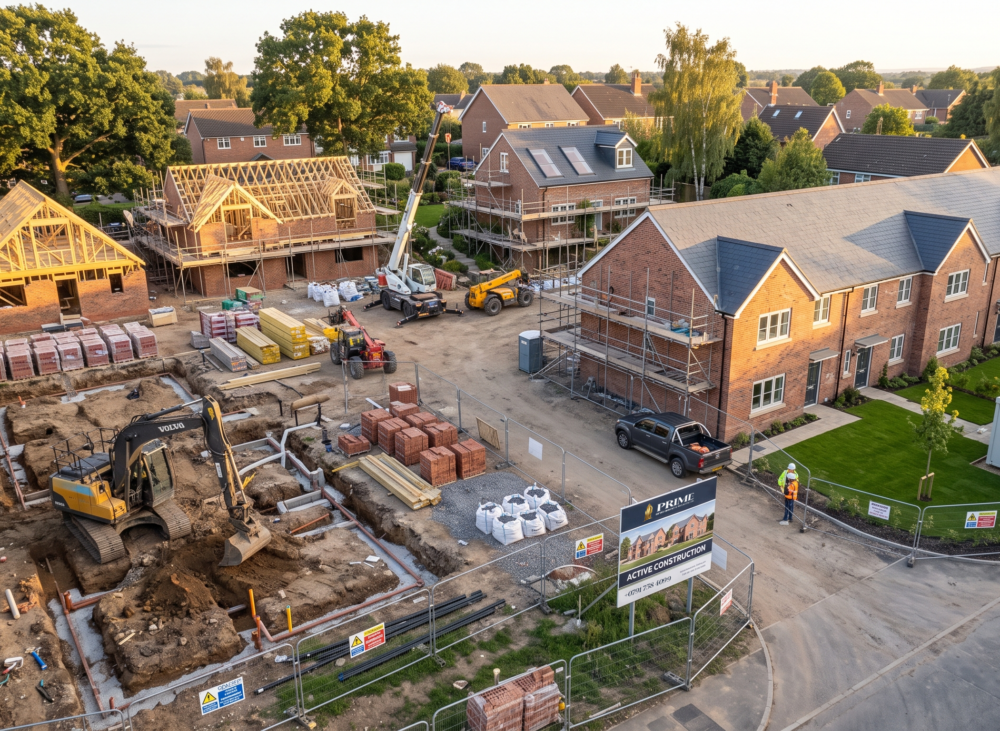
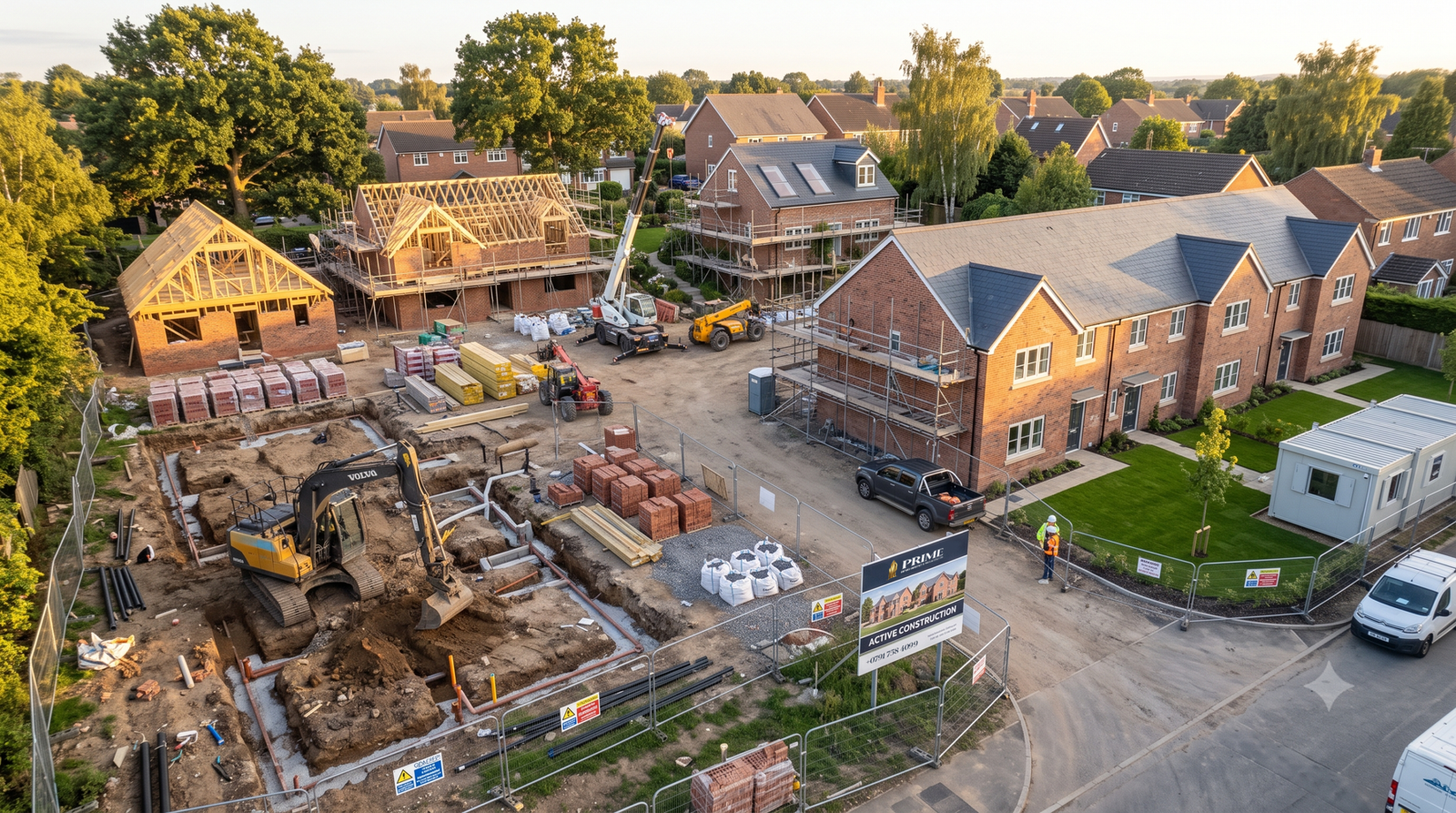
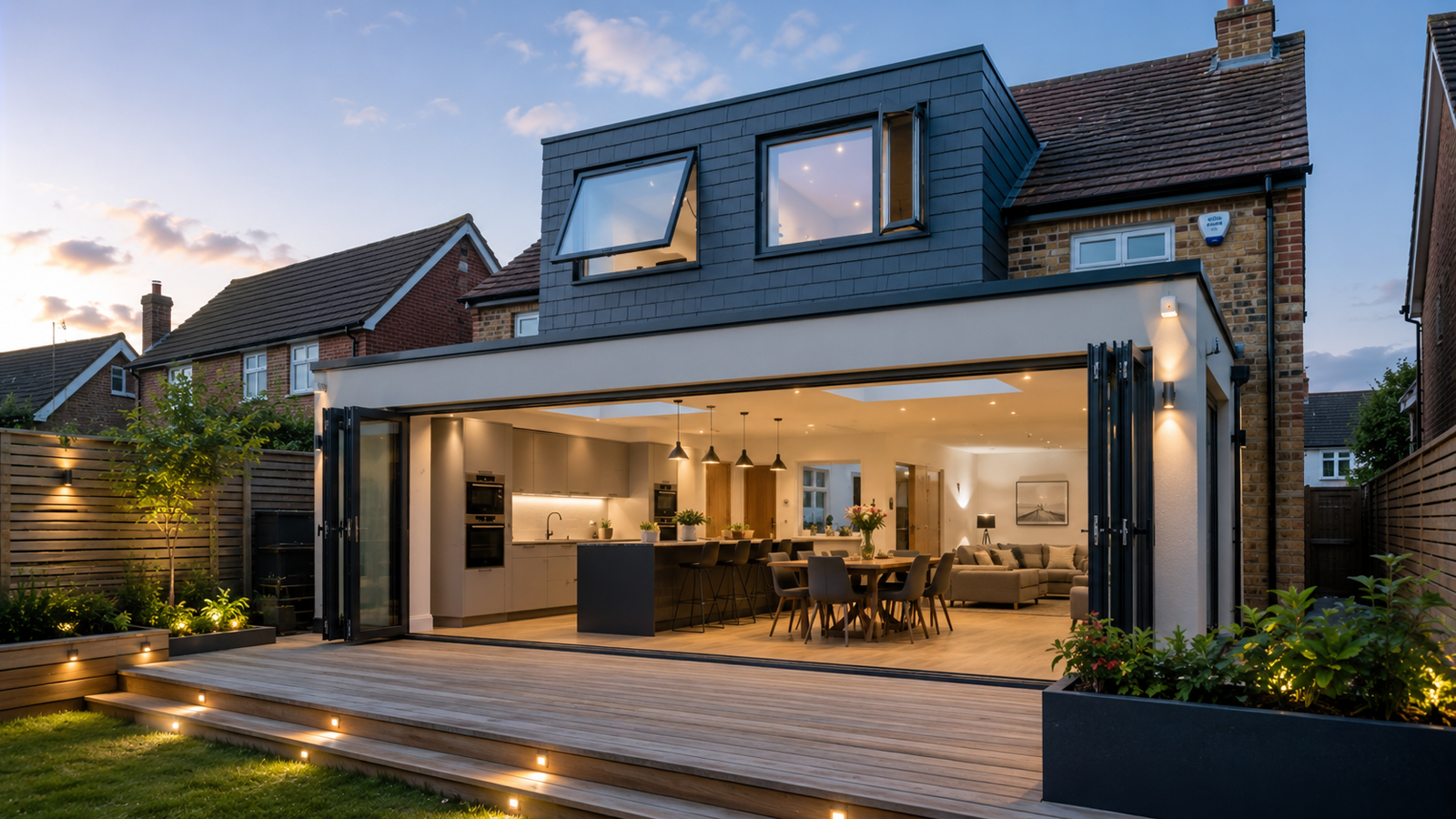
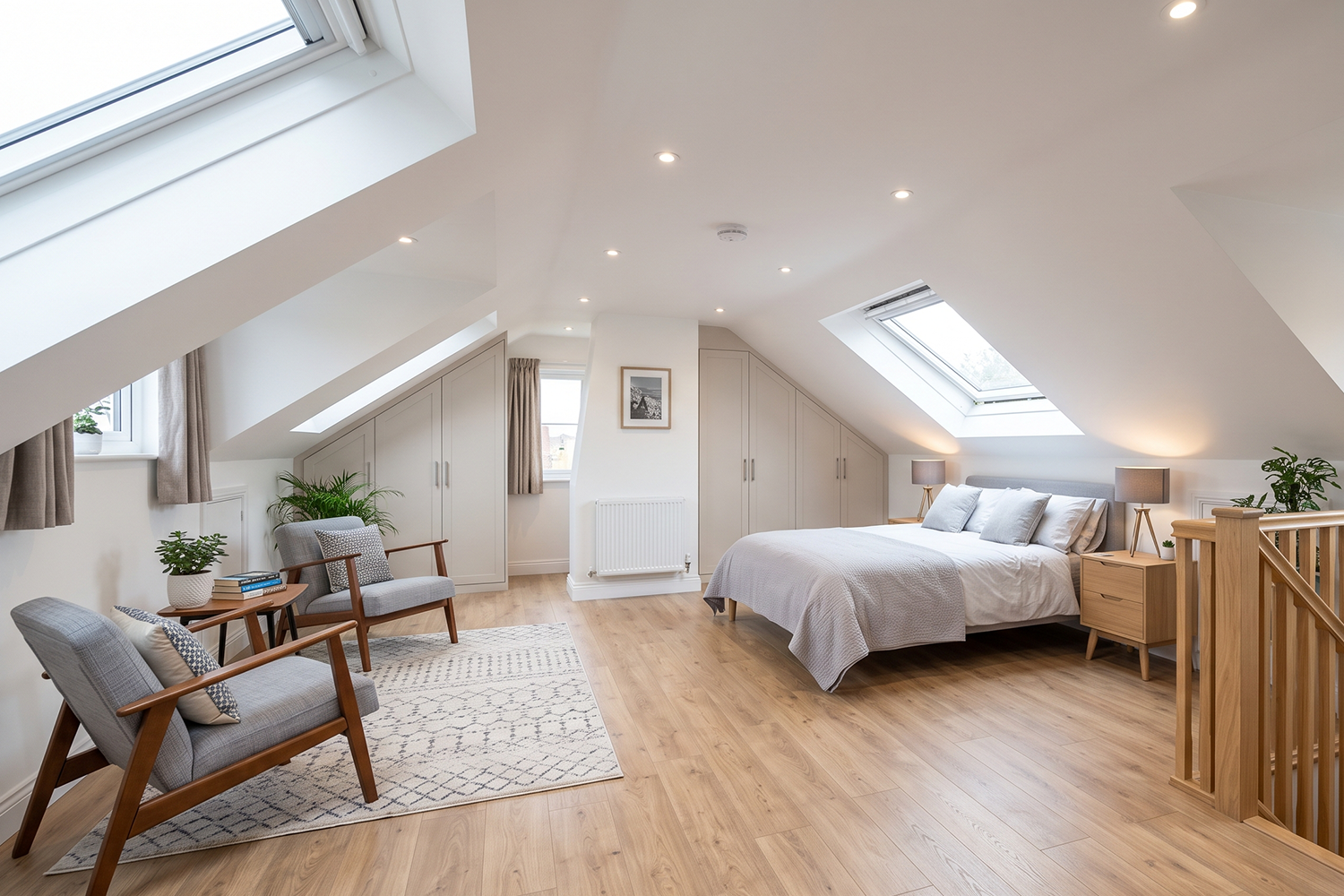
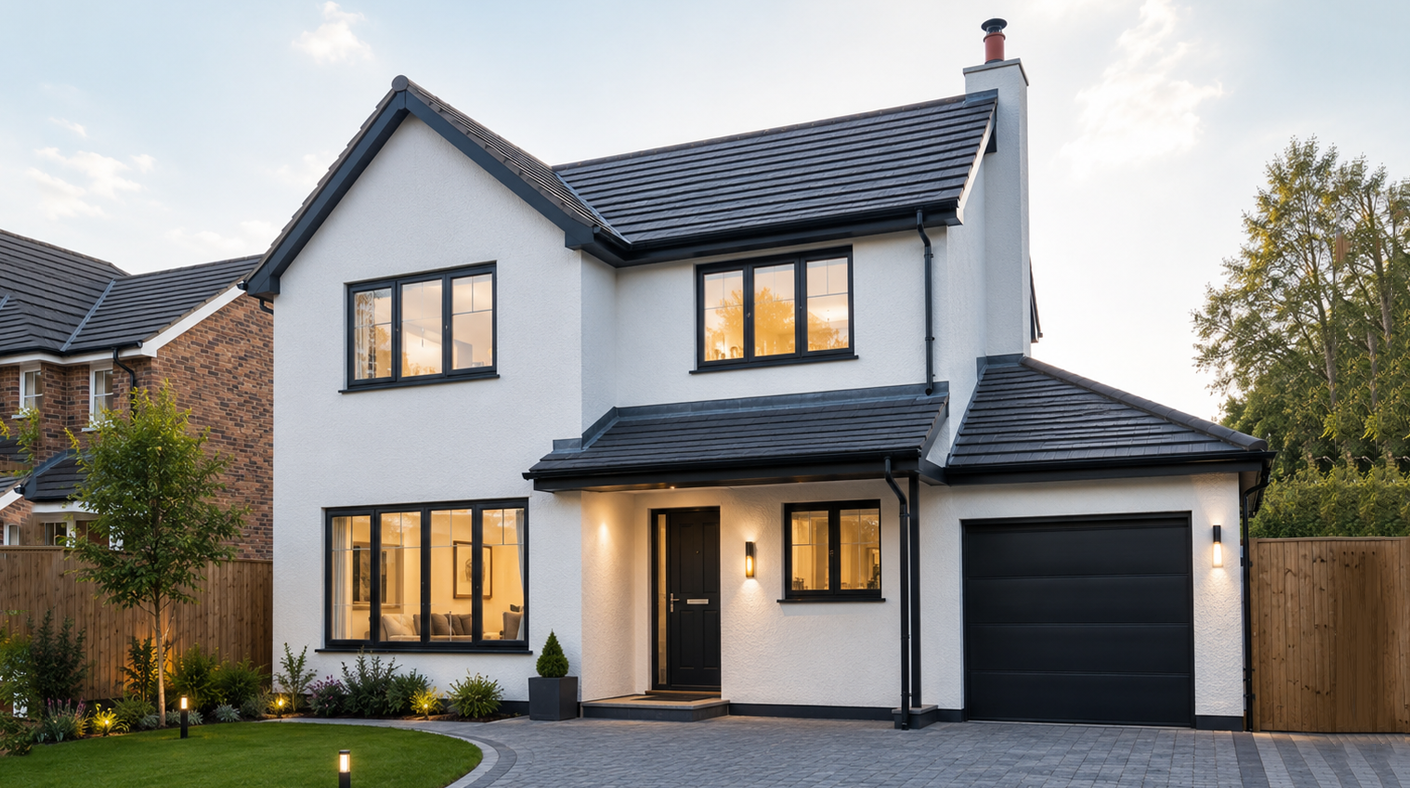
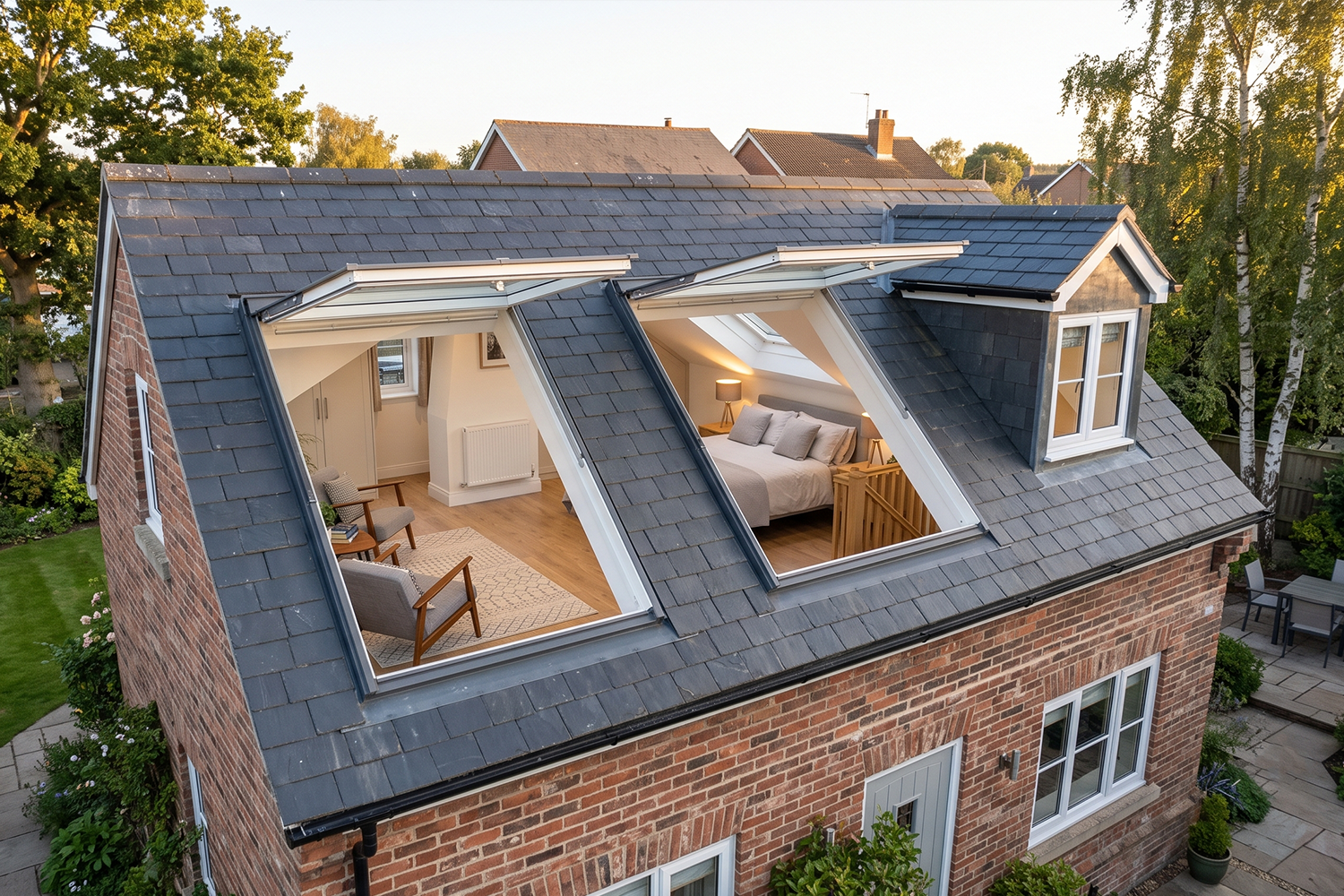
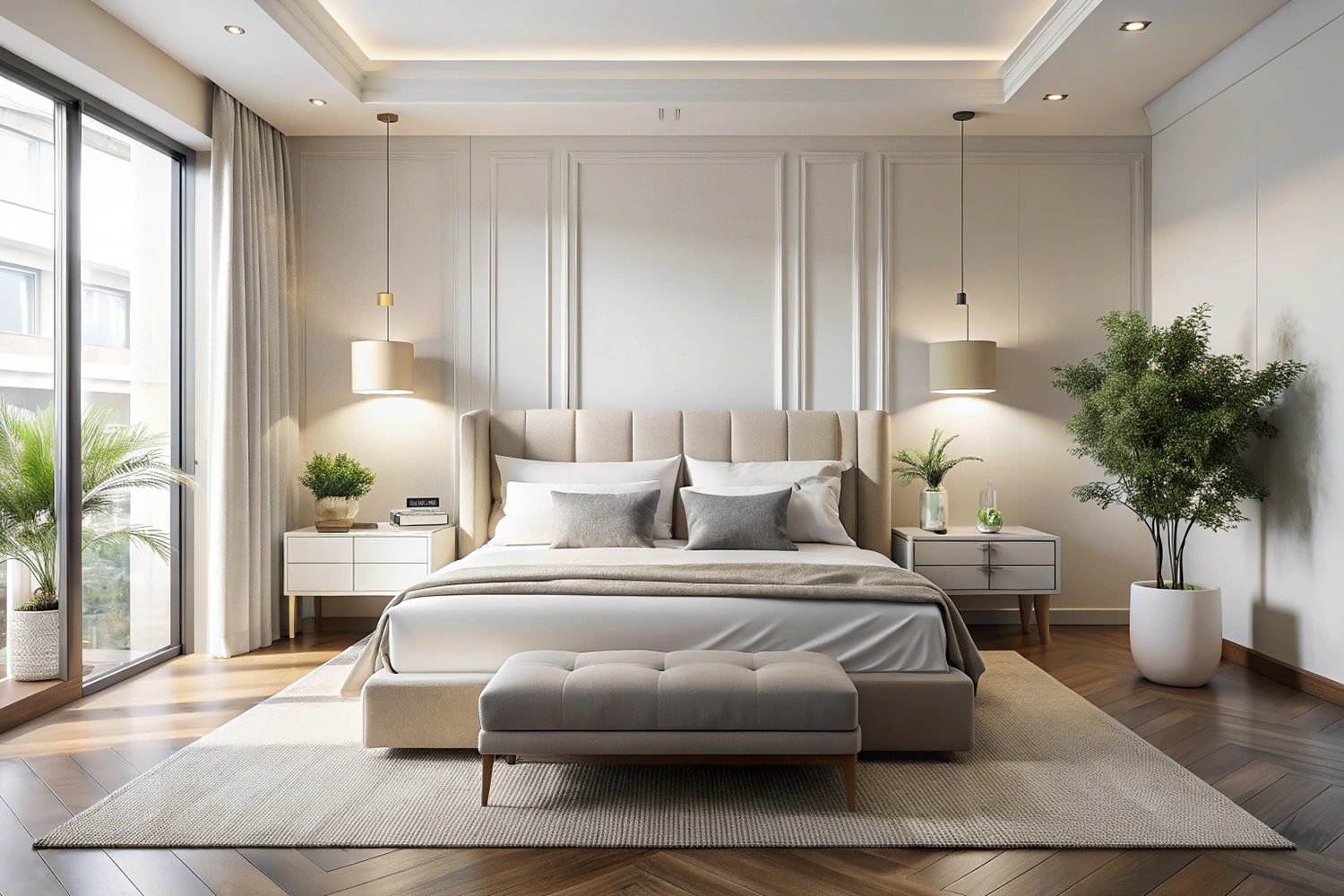
This new-build residential project involved creating a modern family home from the ground up, combining practical planning, contemporary design and quality construction. The property was planned around the needs of modern family living, with generous living areas, comfortable bedrooms and functional spaces throughout.
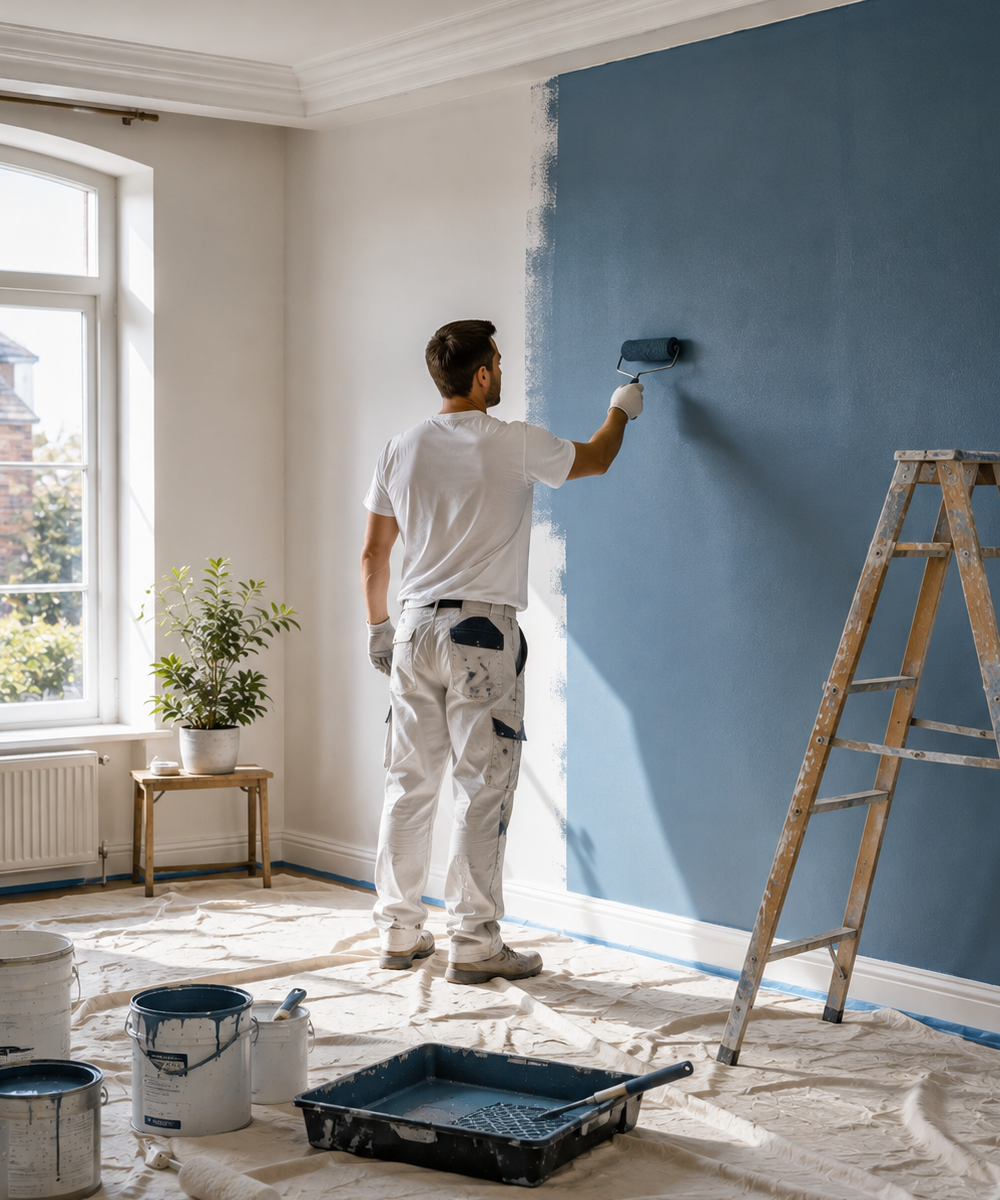
The construction process covered the major stages of the build, from ground preparation and structural work through to internal installations, flooring, decoration and final finishing. Particular attention was given to creating a balanced layout that maximises natural light and provides comfortable connections between the main living areas.
Contemporary materials, modern fixtures and durable finishes were selected to provide a clean and practical home environment. The completed property combines functionality, comfort and modern aesthetics while maintaining a strong focus on quality workmanship.
- New Construction: Complete residential build from ground preparation to final finish.
- Modern Layout: Practical arrangement designed around contemporary family living.
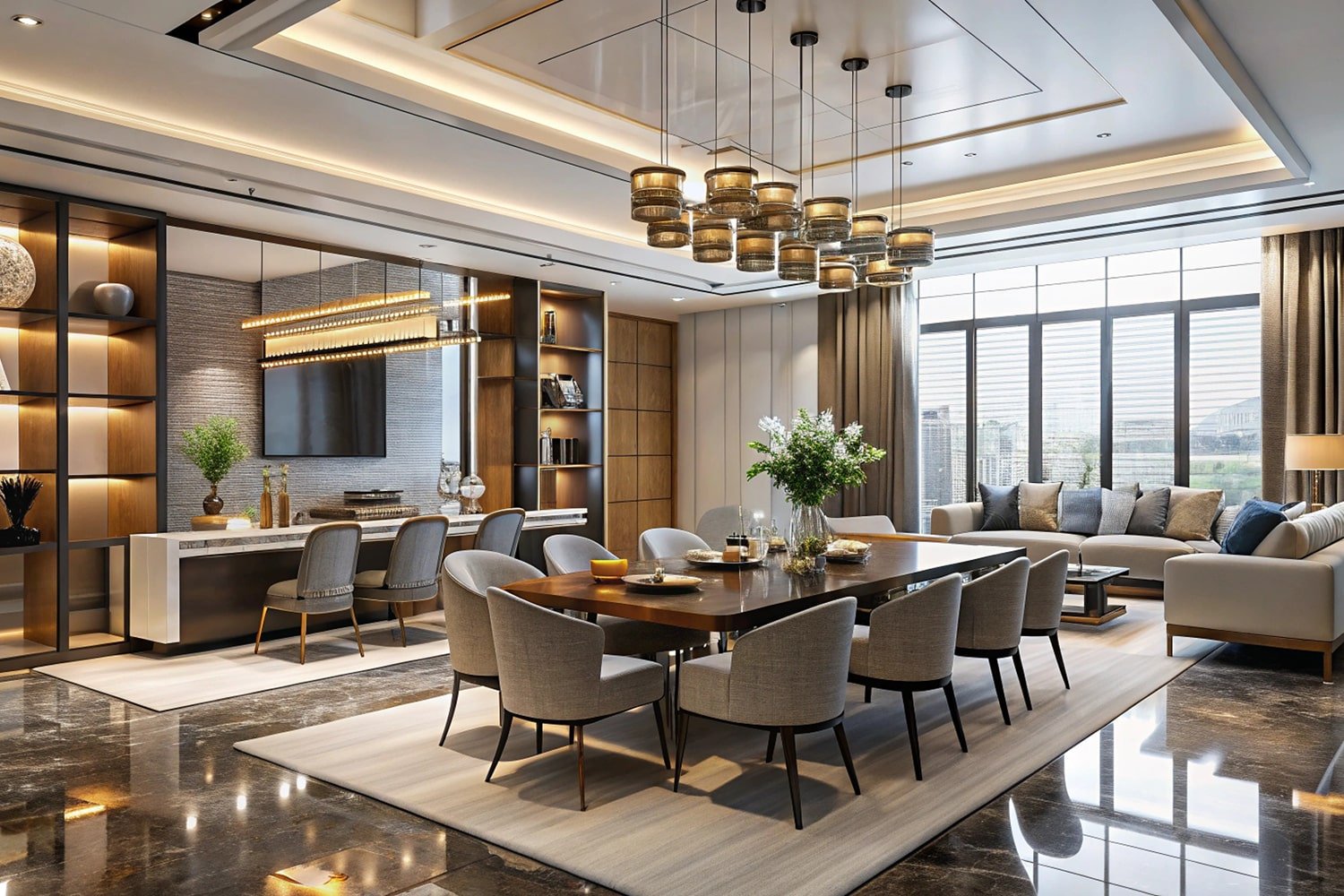
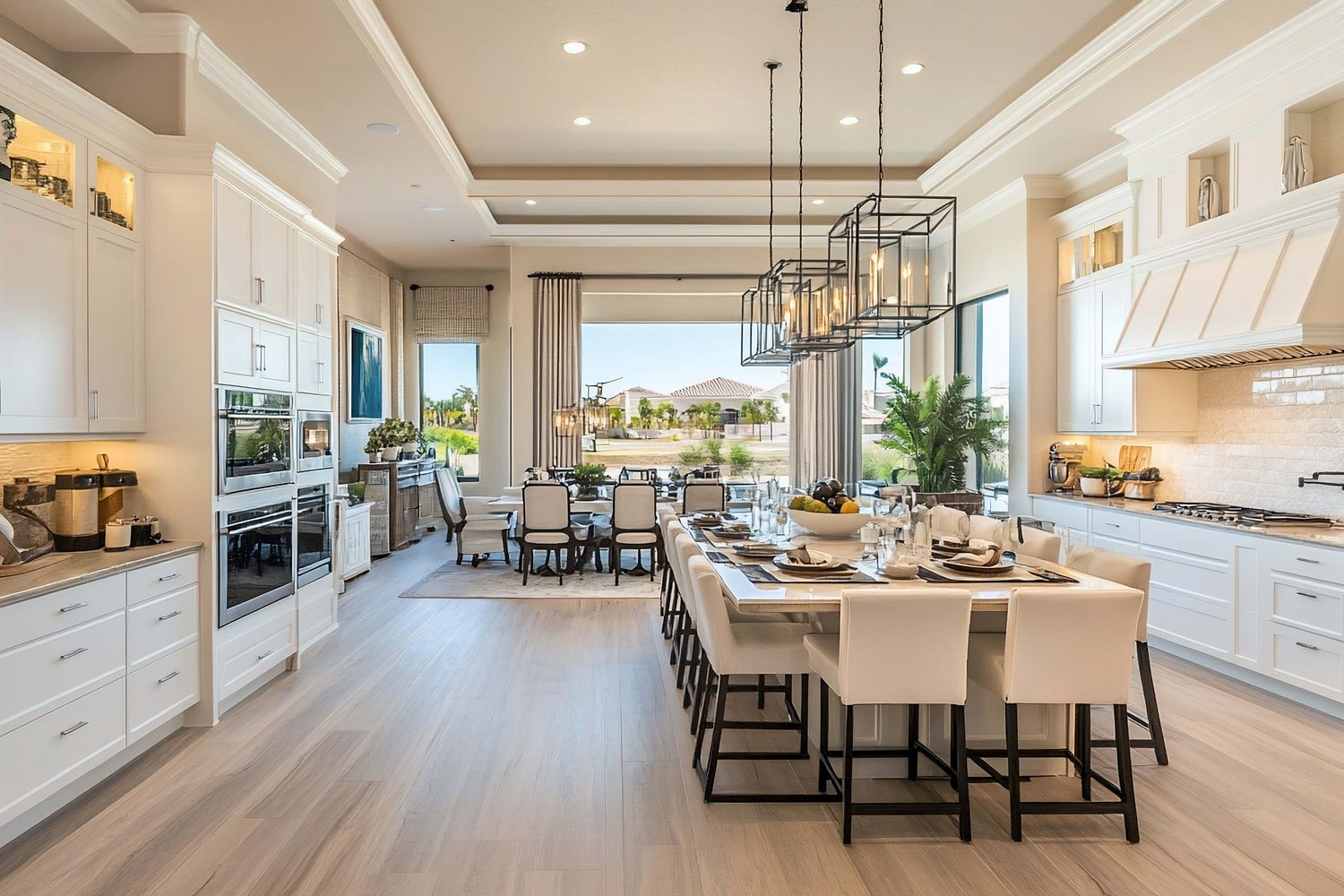
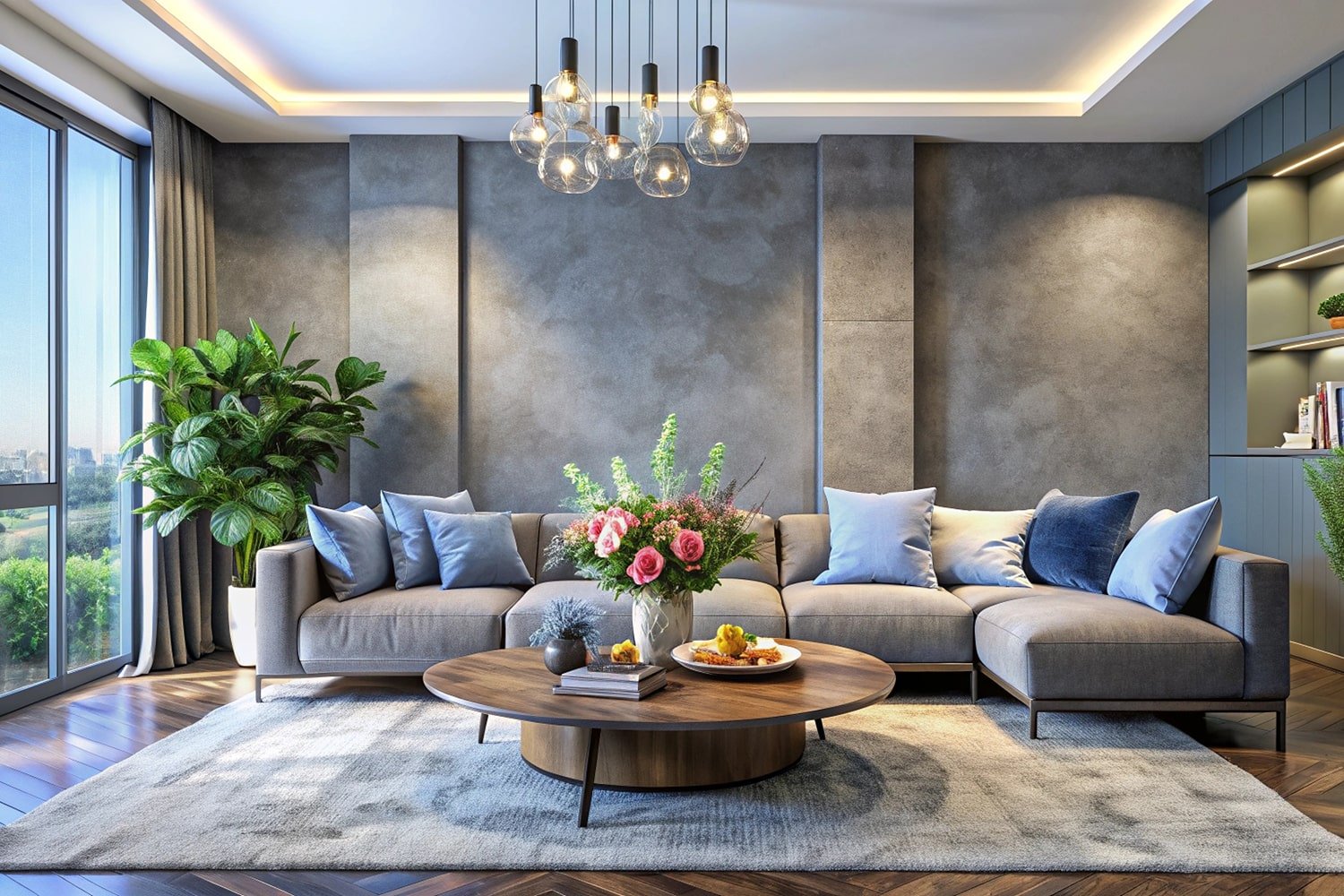
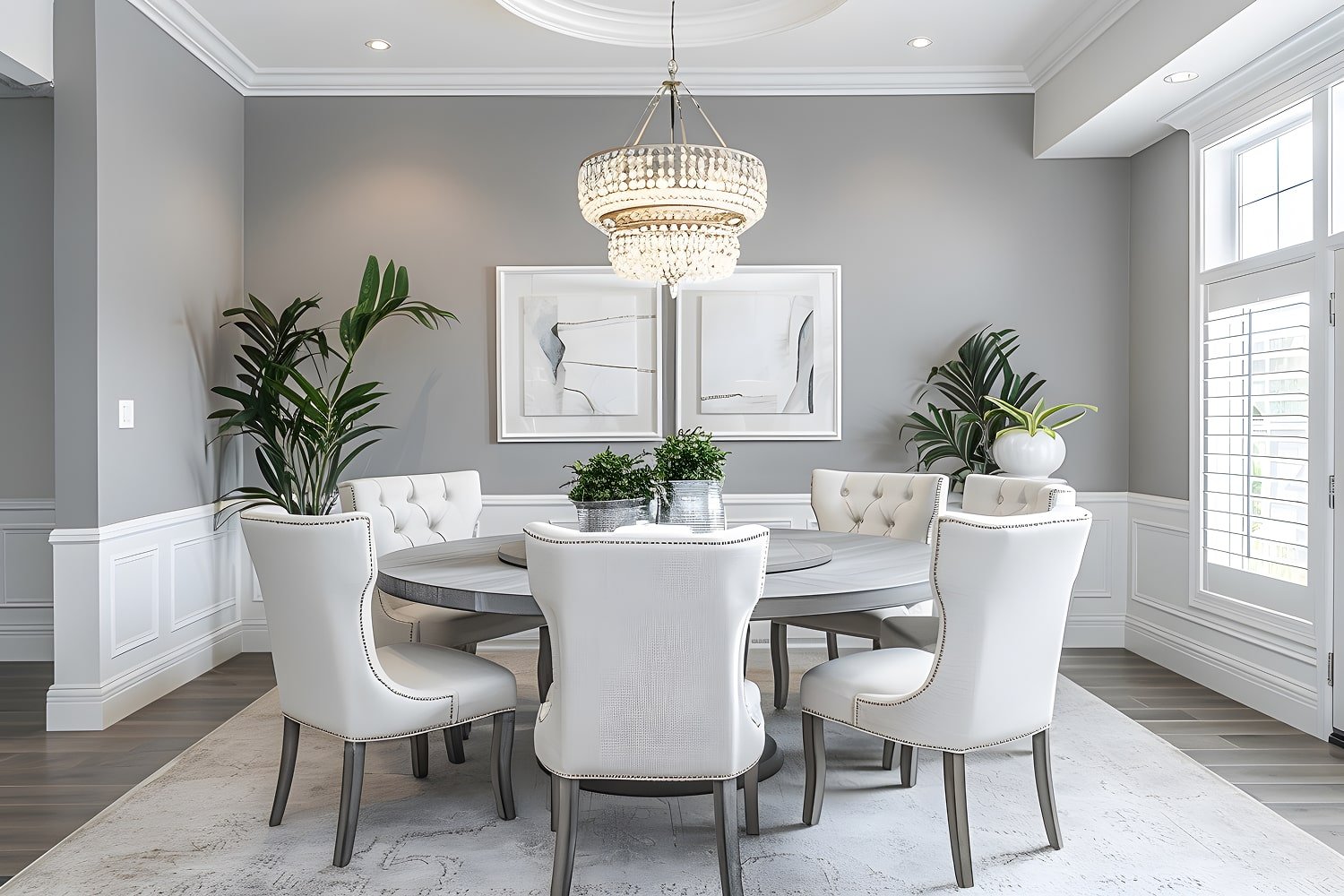
- Spacious Living Areas: Comfortable spaces for relaxing, dining and entertaining.
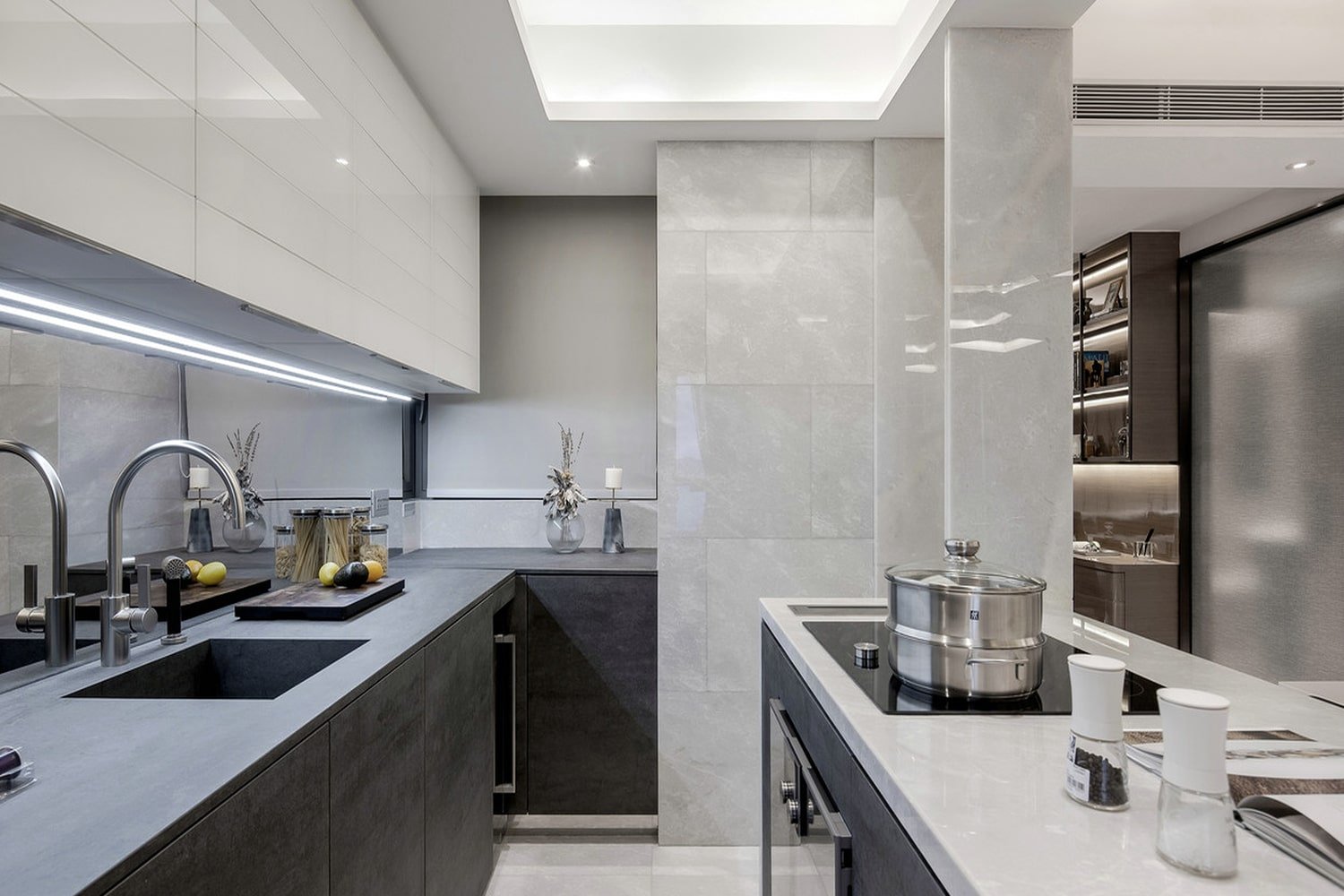
- Contemporary Kitchen: Functional kitchen designed for everyday use.
- Energy Efficiency: Modern insulation, glazing and lighting solutions.
- Quality Finishes: Professional interior and exterior finishing throughout.